HSE – Measuring Clearance Times in Spray Booths
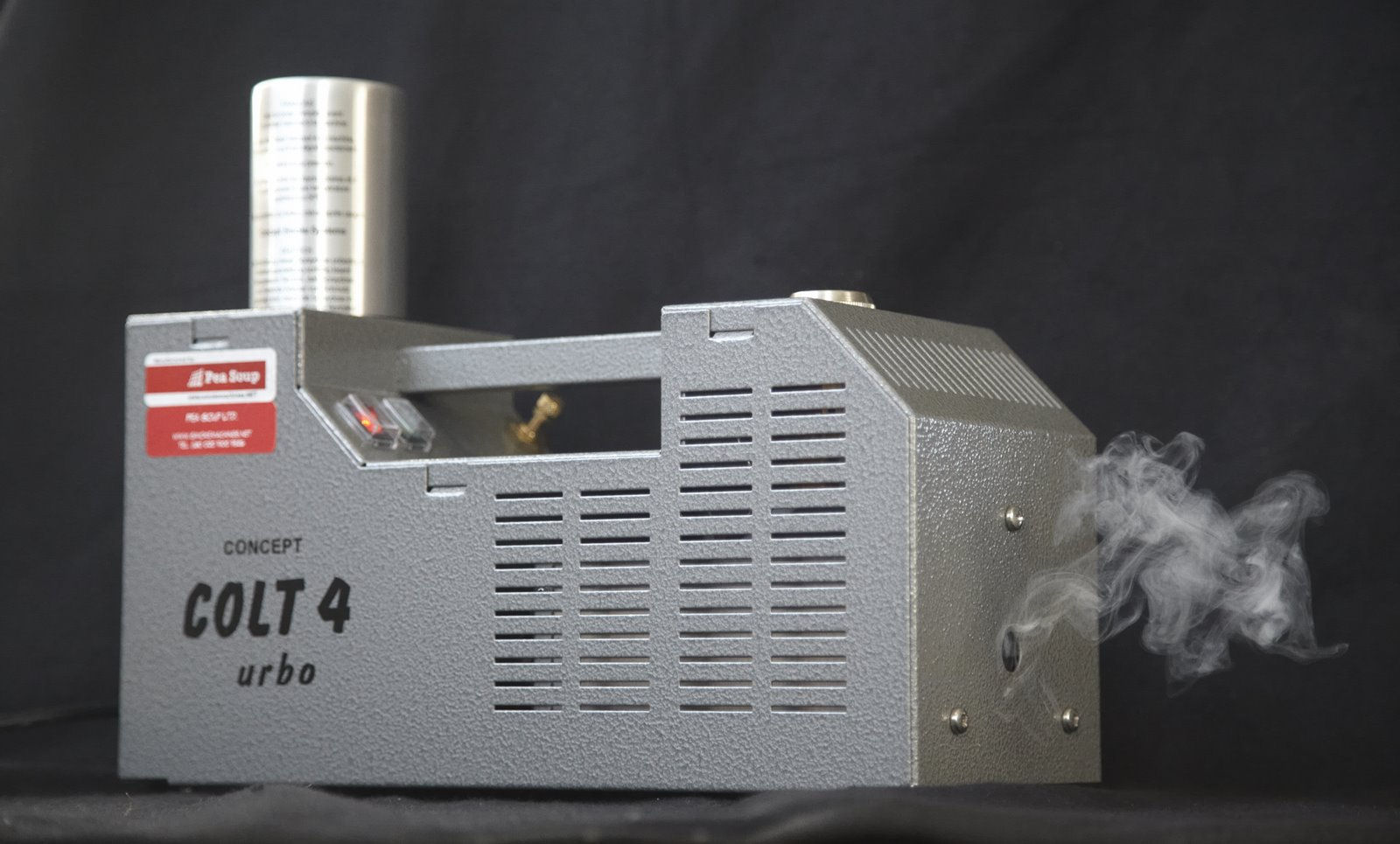
This HSE guidance provides a practical method for measuring the clearance time of spray booths and spray rooms using a smoke or fog generator. Clearance time is the period required for the ventilation system to remove airborne contaminants after spraying has stopped and before workers can safely enter the enclosure without respiratory protection.
The guidance was developed primarily for the motor vehicle repair industry where isocyanate-containing paint products present significant occupational health risks. However, the principles are equally applicable to many enclosed processes involving hazardous dusts, mists, fumes or vapours. Understanding and displaying clearance times is an important part of managing exposure risks and ensuring that workers remain protected until airborne contaminants have been effectively removed.
What This Resource Covers
This guidance covers:
- What spray booth clearance time means
- Why clearance times are important
- Smoke testing procedures
- Measuring ventilation effectiveness
- Identifying stagnant zones and airflow dead spots
- Displaying clearance times for operators
- Protection from isocyanate paint mist exposure
- The relationship between clearance testing and LEV Thorough Examination and Test
Source Document
View the HSE guidance here:
Source: Health and Safety Executive (HSE)
Document Type: COSHH Guidance
Status: Current 2026
Last reviewed by LEVCentral: June 2026
Purchase Smoke Generators
Why This Guidance Matters
One of the greatest risks associated with spray painting operations is the mistaken belief that airborne contaminants disappear as soon as spraying stops.
In reality, fine paint mist can remain suspended within a spray booth or spray room long after application has finished. HSE notes that spray spaces should have their clearance time established so workers know how long they must wait before removing respiratory protective equipment or entering the enclosure without protection.
This is particularly important when spraying isocyanate-containing paints, which remain one of the leading causes of occupational asthma in the UK. Exposure may occur even after spraying has ceased if workers enter the enclosure too early or remove respiratory protection before contaminants have been fully cleared.
The HSE Smoke Testing Method
The HSE procedure uses a smoke or fog generator to completely fill the spray booth or room before the extraction system is activated.
The process involves:
- Turning off the extraction system
- Filling the enclosure with smoke
- Activating the ventilation system
- Measuring the time taken for all visible smoke to disappear
- Checking for air leaks and dead spots during the test
- Rounding the measured time up to the next quarter minute
- Displaying the clearance time at the booth entrance
The guidance recommends undertaking the test just before filter replacement to establish a worst-case clearance time.
Clearance Times and Worker Protection
Once established, the clearance time should be clearly displayed and communicated to all personnel using the booth or room.
The clearance period helps determine:
- When respiratory protective equipment can be removed
- When workers can safely enter the enclosure
- Whether ventilation performance has deteriorated
- Whether maintenance or filter replacement may be required
HSE guidance highlights that workers should understand and observe these times consistently as part of normal operating procedures.
Key LEVCentral Takeaways
- Clearance time measures how long contaminants remain airborne after spraying.
- Smoke testing provides a practical method for measuring clearance time.
- Clearance times should be established under worst-case conditions.
- Results should be displayed at the spray booth or spray room entrance.
- Workers should not remove RPE until the clearance period has elapsed.
- Smoke testing can identify leaks, stagnant zones and airflow problems.
- Clearance time testing can form part of the LEV Thorough Examination and Test process.
- Understanding clearance times is particularly important where isocyanate paints are used.
Further Resources
Related LEVCentral Resources:
- HSG258 – Controlling Airborne Contaminants at Work
- HSG276 – Isocyanate Paint Spraying
- HSE INDG409 Time to Clear the Air – A Worker’s Guide to LEV
Recommended Learning
- M200 Basic Principles of Occupational Hygiene
- M501 Measurement of Hazardous Substances
- M505 Control of Hazardous Substances
- P600 Methods for Testing Effectiveness of LEV
- P601 Thorough Examination and Testing of LEV Systems
- P602 LEV Design Principles
- P604 Performance Evaluation and Management of LEV Systems
Thought Leadership
Smoke clearance testing is a simple but powerful reminder that contaminants often remain present long after the visible work activity has ended. By establishing and displaying realistic clearance times, employers move beyond assumptions and provide workers with clear, evidence-based instructions on when it is safe to enter a spray space or remove respiratory protection.
From an occupational hygiene perspective, clearance time testing transforms an invisible risk into a measurable and manageable control parameter. It is a practical example of how visualisation techniques can be used to improve both compliance and worker protection.

