Substances That Can Cause Occupational Asthma (HSE)
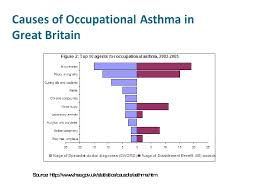
The Health and Safety Executive (HSE) maintains a comprehensive list of substances known to cause occupational asthma in UK workplaces. Occupational asthma is one of the most common work-related respiratory diseases and can develop following exposure to certain dusts, fumes, chemicals, biological materials and process-generated contaminants.
The HSE list identifies both sensitising agents and known asthmagens found across a wide range of industries including woodworking, baking, healthcare, manufacturing, laboratories, chemical processing and engineering operations.
Examples include:
- Wood dusts
- Flour and grain dusts
- Isocyanates
- Colophony (solder fume constituents)
- Laboratory animal allergens
- Latex proteins
- Metalworking fluids
- Enzymes
- Certain pharmaceutical products
- Persulphate salts
- Welding fume constituents
The guidance helps employers identify potential occupational asthma hazards during COSHH assessments and implement appropriate control measures before workers become sensitised.
This resource is relevant to:
- Occupational Hygienists
- LEV Designers
- LEV Installers
- Health & Safety Professionals
- COSHH Assessors
- Process Engineers
- Facilities Managers
- Duty Holders
- Occupational Health Practitioners
Source Document
View the HSE guidance here:
Source: Health and Safety Executive (HSE)
Document Type: Guidance/Reference List
Status: Current
Last reviewed by LEVCentral: June 2026
Further Resources
- INDG136 – Working with Substances Hazardous to Health (COSHH)
- HSG258 – Controlling Airborne Contaminants at Work (LEV)
- Occupational Asthma (HSE)
- Clearing the Air – A Simple Guide to LEV
- LEV Information for Employees and Users
Recommended Learning
- P602 LEV Design Principles
- P600 Methods for Testing Effectiveness of LEV
- M200 Basic Principles in Occupational Hygiene
- COSHH Risk Assessment Training
- LEV Perfomance Evaluation and Management
Thought Leadership
- Defensible LEV Commissioning
- LEV Governance and Duty Holder Assurance
- Building a Defensible Exposure Control Strategy
- TExT Report Preparation

