New and Existing Engineering Control Systems – Local Exhaust Ventilation (HSE G406)
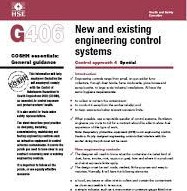
HSE Guidance Note G406 provides practical advice on the selection, installation, commissioning, maintenance and ongoing management of Local Exhaust Ventilation (LEV) systems used to control exposure to hazardous airborne contaminants.
The guidance explains the fundamental principles of effective engineering controls and outlines the responsibilities of employers, designers, installers and users in ensuring LEV systems continue to provide adequate control throughout their operational life. G406 forms part of the COSHH Essentials guidance series and is widely referenced by duty holders responsible for controlling dusts, fumes, vapours, mists and gases in the workplace.
The guidance covers:
- LEV system design principles
- Installation and commissioning requirements
- User responsibilities and training
- Routine inspection and maintenance
- Performance monitoring
- Statutory examination and testing requirements
- Record keeping and documentation
- Managing system modifications and changes of use
This resource is relevant to:
- LEV Designers
- LEV Installers
- Commissioning Engineers
- P601 Thorough Examination & Test Engineers
- Occupational Hygienists
- Health & Safety Professionals
- Facilities Managers
- Duty Holders
Source Document
View the HSE guidance here:
Source: Health and Safety Executive (HSE)
Document Type: Construction Health Guidance
Status: Current
Last reviewed by LEVCentral: June 2026
LEVCentral Expert Commentary
G406 is one of the most practical HSE publications available for organisations responsible for LEV systems. While documents such as HSG258 provide detailed technical guidance, G406 focuses on the day-to-day management activities required to keep LEV systems effective throughout their operational life.
Particularly important is the guidance relating to commissioning, routine maintenance and statutory Thorough Examination and Test (TExT) requirements. The document reinforces the principle that commissioning is not the end of the process; effective LEV management requires ongoing verification that the system continues to perform as originally intended.
The guidance highlights the importance of maintaining performance indicators, keeping accurate maintenance records and ensuring competent persons undertake statutory examinations. Employers should also recognise that modifications to process equipment, ductwork, hoods or operating conditions may require re-evaluation and recommissioning of the system.
For LEV professionals, G406 provides a useful bridge between system design and long-term operational assurance. It supports the wider principle that demonstrable governance, documentation and periodic verification are essential components of a defensible LEV management strategy.
Further Resources
- HSG258 – Controlling Airborne Contaminants at Work (LEV)
- Maintenance, Examination and Testing of LEV
- Clearing the Air – A Simple Guide to LEV
- COSHH Approved Code of Practice (L5)
- LEV Information for Employees and Users
Recommended Learning
- P601 Thorough Examination and Testing of LEV Systems
- P602 LEV Design Principles
- P600 Methods for Testing Effectiveness of LEV
- LEV Performance Evaluation and Management

