Bakers – Occupational Asthma and Flour Dust (HSE)
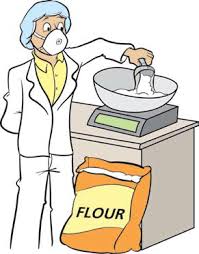
This HSE guidance focuses on the health risks associated with flour dust and baking ingredients in bakeries, flour mills, commercial kitchens and food production environments.
Flour dust and baking enzymes (particularly amylase) are one of the leading causes of occupational asthma in the UK. Exposure can also cause occupational rhinitis, dermatitis and other allergic conditions. Workers may become sensitised over time, meaning that even relatively low levels of exposure can trigger symptoms once sensitisation has occurred.
The guidance highlights common dust-generating activities including:
- Bag emptying
- Sieving
- Dough mixing
- Flour dusting
- Cleaning activities
- Disposal of empty flour bags
The HSE recommends minimising dust generation, implementing effective extraction systems, using appropriate cleaning methods and introducing health surveillance programmes where workers are exposed to flour dust and baking ingredients.
This resource is relevant to:
- Occupational Hygienists
- LEV Designers
- LEV Installers
- Health & Safety Professionals
- Bakery Managers
- Food Manufacturing Managers
- COSHH Assessors
- Facilities Managers
- Duty Holders
Source Document
View the HSE guidance here:
Source: Health and Safety Executive (HSE)
Document Type: Construction Health Guidance
Status: Current
Last reviewed by LEVCentral: June 2026
LEVCentral Expert Commentary
This resource provides an excellent example of how occupational hygiene, COSHH and LEV management intersect to protect worker health.
Flour dust is recognised as one of the most significant causes of occupational asthma in the UK. The HSE identifies flour dust and baking enzymes as the second most common cause of occupational asthma, affecting workers in bakeries, flour mills and commercial kitchens.
For LEV professionals, bakery environments present several challenges. Dust is often generated during routine manual activities such as ingredient handling, tipping, mixing and cleaning. Because many tasks are frequent and repetitive, relatively low exposures can accumulate over time, increasing the risk of sensitisation and long-term respiratory disease.
Effective control strategies typically include:
- Minimising flour dust generation at source
- Enclosing dusty processes where practicable
- Providing suitable LEV systems for mixing and ingredient handling operations
- Implementing appropriate housekeeping arrangements
- Avoiding dry sweeping and compressed-air cleaning
- Undertaking routine maintenance and statutory examination of LEV systems
The guidance also reinforces an important occupational hygiene principle: once a worker becomes sensitised, even low levels of exposure may trigger symptoms. Consequently, prevention through effective engineering controls is generally far more effective than relying on personal protective equipment alone.
Organisations operating bakeries and food production facilities should ensure that LEV systems, COSHH assessments, worker training and health surveillance programmes are managed as part of a coordinated exposure-control strategy.
Further Resources
- Substances That Can Cause Occupational Asthma (HSE)
- Federation of Bakers – Guidance on Controlling Dusts in Bakeries
- Working with Substances Hazardous to Health – A Brief Guide to COSHH (INDG136)
- HSG258 – Controlling Airborne Contaminants at Work
- Time to Clear the Air! – A Workers’ Pocket Guide to LEV (INDG409)
- G406 – New and Existing Engineering Control Systems
Recommended Learning
- P602 LEV Design Principles
- P600 Methods for Testing Effectiveness of LEV
- M200 Basic Principles in Occupational
- COSHH Risk Assessment Fundamentals
- LEV Performance Evaluation and Management
Thought Leadership
- Defensible LEV Commissioning
- LEV Governance and Duty Holder Assurance
- Building a Defensible Exposure Control Strategy
- Preparing Effective TExT Reports

