Explosive Atmospheres – Classification of Hazardous Areas (Zoning) and Selection of Equipment.
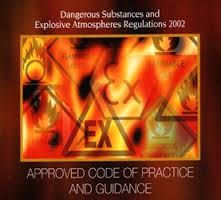
Area Classification for Explosive Atmospheres (HSE)
The Health and Safety Executive (HSE) provides guidance on the classification of hazardous areas where flammable gases, vapours, mists or dusts may create an explosive atmosphere.
Area classification is a fundamental element of DSEAR compliance and helps determine the selection of suitable equipment, ventilation arrangements and control measures required to prevent ignition.
The guidance explains how hazardous zones are identified and categorised according to the likelihood and duration of an explosive atmosphere being present. Correct area classification is essential when designing or modifying LEV systems intended to control flammable substances.
This resource is relevant to:
- LEV Designers
- DSEAR Assessors
- Occupational Hygienists
- Process Engineers
- Commissioning Engineers
- Health & Safety Professionals
Source Document
View the HSE guidance here:
Source: Health and Safety Executive (HSE)
Document Type: Construction Health Guidance
Status: Current
Last reviewed by LEVCentral: June 2026
LEVCentral Expert Commentary
While hazardous area classification is generally undertaken as part of a DSEAR assessment, the findings have significant implications for LEV design, equipment selection, commissioning and ongoing maintenance.
Where flammable vapours, gases or combustible dusts are present, LEV designers should understand how hazardous zones influence the selection of ATEX-compliant equipment and the overall control strategy.
Failure to correctly identify hazardous areas can result in inappropriate equipment selection and may introduce ignition risks that undermine the effectiveness of the control system.
Early collaboration between DSEAR assessors, designers and commissioning specialists is often essential where explosion risks exist.
Further Resources
- DSEAR Essentials
- Centrifugal Fan – IACS Non-Sparking Standard
- HSE Dangerous Substances and Explosive Atmospheres Regulations (DSEAR)
- Hazardous Area Classification for Dusts
Recommended Learning
- OXY103 DSEAR Awareness Training
- P600 Methods for Testing Effectiveness of LEV
- P602 LEV Design Principles

