Silica Dust – Cancer and Construction (HSE)
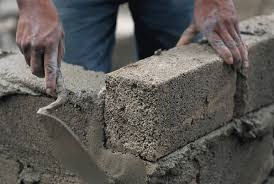
This HSE guidance highlights the significant health risks associated with respirable crystalline silica (RCS) exposure in the construction industry. Silica is a naturally occurring mineral found in materials such as concrete, brick, mortar, sandstone, tiles and many other common construction products. Activities such as cutting, drilling, grinding, chasing and polishing can generate fine silica dust capable of reaching deep into the lungs.
The guidance explains that silica is one of the most serious health risks faced by construction workers and is linked to lung cancer, silicosis and chronic obstructive pulmonary disease (COPD). HSE estimates that silica exposure contributes to the deaths of more than 500 construction workers each year.
The resource also outlines practical control measures including water suppression, local exhaust ventilation (LEV), on-tool extraction, good housekeeping and suitable respiratory protective equipment (RPE).
This resource is relevant to:
- LEV Designers
- LEV Installers
- Occupational Hygienists
- Health & Safety Professionals
- Construction Managers
- Principal Contractors
- Facilities Managers
- Duty Holders
- Process Engineers
Source Document
View the HSE guidance here:
Source: Health and Safety Executive (HSE)
Document Type: Construction Health Guidance
Status: Current
Last reviewed by LEVCentral: June 2026
LEVCentral Expert Commentary
This is one of the most important occupational health resources published by HSE for the construction sector. While asbestos often receives greater attention, HSE identifies silica as the next most significant respiratory health risk affecting construction workers.
For LEV professionals, the guidance provides a clear reminder that silica control should be considered at the earliest stages of project planning. Many common construction activities generate respirable crystalline silica, and effective engineering controls are frequently required to reduce exposures to acceptable levels. LEV systems, on-tool extraction and appropriately designed capture arrangements are often critical components of a compliant control strategy.
The guidance also reinforces an important principle frequently overlooked during project delivery: harmful exposures are often generated during short-duration tasks. Workers may not perceive a risk because silica dust is often invisible under normal lighting conditions, yet repeated exposure can result in irreversible lung damage many years later.
For duty holders, this resource supports the integration of COSHH assessments, LEV design, health surveillance and worker training into a single exposure-control strategy. Where silica-generating activities cannot be eliminated, a combination of engineering controls, maintenance, testing and competent supervision is essential.
Further Resources
- HSG258 – Controlling Airborne Contaminants at Work (LEV)
- INDG463 – Control of Exposure to Silica Dust
- Clearing the Air – A Simple Guide to LEV
- Working with Substances Hazardous to Health (COSHH)
- Substances That Can Cause Occupational Asthma
Recommended Learning
- P602 LEV Design Principles
- P600 Methods for Testing Effectiveness of LEV
- P601 Thorough Examination and Testing of LEV Systems
- M200 Basic Principles in Occupational Hygiene
- LEV Performance Evaluation and Management
Thought Leadership
- Defensible LEV Commissioning
- LEV Governance and Duty Holder Assurance
- Building a Defensible Exposure Control Strategy
- Preparing Effective TExT Reports

