LVHV ‘On Tool’ Extraction for Dust
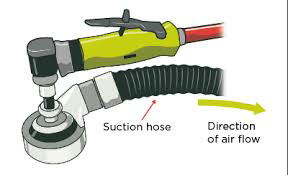
Low Volume High Velocity (LVHV) extraction systems have become increasingly important in controlling dust generated by portable power tools and hand-held processes. By capturing contaminants directly at the point of generation, LVHV systems can significantly reduce worker exposure to hazardous dusts including silica, wood dust, MDF dust and other airborne particulates.
This resource includes video demonstrations showing how effective on-tool extraction can be in controlling dust at source and highlights the growing role of LVHV systems within modern workplace exposure control strategies.
What These Video Resources Cover
These resources explore:
- The principles of LVHV (Low Volume High Velocity) extraction
- On-tool dust extraction systems
- On-tool dust extraction systems
- Source capture of dust emissions
- Exposure control for portable power tools
- Dust control in construction and woodworking applications
- The role of LVHV systems within LEV programmes
- Practical examples of effective dust control
Who Should View These Resources?
This resource is particularly relevant for:
- LEV Designers, Commissioners and Test Engineers
- Occupational Hygienists and Health & Safety Professionals
- Construction Managers and Supervisors
- Woodworking and Manufacturing Employers
- Facilities and Maintenance Managers
- Anyone responsible for controlling dust exposure from portable tools
The Importance of Source Capture
The effectiveness of any LEV system is largely determined by how close the capture point is to the contaminant source.
LVHV systems demonstrate this principle particularly well. Because extraction occurs directly at the tool, dust has little opportunity to disperse into the operator’s breathing zone or the wider workplace.
This can significantly reduce exposure levels whilst also improving housekeeping and reducing dust accumulation on surrounding surfaces.
Key LEVCentral Takeaways
- LVHV systems are a specialised form of Local Exhaust Ventilation.
- On-tool extraction captures contaminants directly at source.
- Effective dust control is particularly important for silica, wood and MDF dusts.
- The captor hood remains the most important component of any extraction system.
- Poorly matched extraction units, hoses or tools can significantly reduce performance.
- On-tool extraction can form part of an employer’s COSHH exposure control strategy.
- Many LVHV systems require maintenance, inspection and statutory examination as LEV systems.
Recommended Learning
P600 Methods for Testing Effectiveness of LEV
P601 Thorough Examination and Testing of LEV Systems
P602 LEV Design Principles
P604 Performance Evaluation and Management of LEV Systems
LVHV Test Kit Adaptor for Sale
Thought Leadership
The growth of LVHV extraction highlights an important shift in exposure control thinking. Rather than attempting to capture contaminants after they have entered the workplace atmosphere, modern control strategies increasingly focus on controlling emissions directly at source.
For many portable tool applications, the extraction system is no longer a separate item of equipment but an integral part of the tool itself. As awareness of dust-related occupational disease continues to increase, effective on-tool extraction is likely to become an increasingly important component of workplace health protection programmes.

