BOHS Guidance for Occupational Hygienists on the Assessment and Control of the Health Risks from Metalworking Fluids
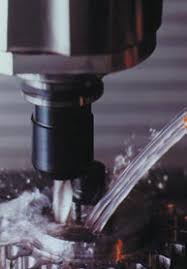
This BOHS guidance marks an important evolution in the occupational hygiene management of metalworking fluids. Rather than relying solely on numA New Occupational Hygiene Approach to Assessing and Controlling Metalworking Fluid Exposure
This BOHS guidance represents one of the most significant developments in the management of metalworking fluid (MWF) exposure in recent years.
Developed by the BOHS Metalworking Fluids Expert Group with contributions from occupational hygienists, industry specialists and HSE representatives, the document provides a modern framework for assessing and controlling health risks associated with metalworking fluids.
Importantly, the guidance recognises that traditional approaches based solely on personal exposure monitoring and comparison with historic guidance values are no longer sufficient for demonstrating adequate control of exposure. Instead, it promotes a qualitative and semi-quantitative assessment approach based on good control practice, exposure mechanisms and control verification.
The guidance covers:
- Metalworking fluid health hazards
- Occupational asthma
- Occupational hypersensitivity pneumonitis (OHP)
- Dermatitis and skin exposure
- Exposure assessment methodologies
- Engineering controls and LEV
- Enclosure design
- Fluid quality management
- Occupational hygiene audits
- Good control practice under COSHH
This resource is relevant to:
- Occupational Hygienists
- LEV Designers
- Health & Safety Professionals
- Duty Holders
- Occupational Health Practitioners
Source Document
View the BOHS Guide here:
Source: British Occupational Hygiene Society (BOHS)
Document Type: Professional Guidance
Status: Version 1.1 2025
Last reviewed by LEVCentral: June 2026
LEVCentral Expert Commentary
Metalworking fluids continue to be one of the most challenging occupational hygiene topics within manufacturing.
Unlike many workplace contaminants, the health risks associated with MWF exposure are not solely determined by the original fluid supplied by the manufacturer. During use, the fluid may become contaminated with:
- Metal fines
- Tramp oils
- Biocides
- Degradation products
- Bacteria
- Yeasts
- Fungi
As a result, the composition of the fluid can change significantly over time, altering both exposure characteristics and health risks.
Historically, occupational hygienists often relied heavily on personal monitoring of MWF mist and comparison with HSE guidance values. However, outbreaks of occupational asthma and occupational hypersensitivity pneumonitis demonstrated that compliance with historical guidance values did not necessarily equate to adequate health protection. The BOHS guidance therefore advocates a broader assessment methodology focused on exposure mechanisms, control measures and evidence of good control practice.
This represents an important shift in occupational hygiene thinking.
Rather than asking:
“Is the exposure below a guidance value?”
The guidance encourages practitioners to ask:
“Is exposure being effectively controlled?”
For LEV professionals, this distinction is extremely important.
The effectiveness of enclosure design, machine integrity, extraction systems, operator behaviour and fluid management practices may all have a greater impact on worker health than a single air-monitoring result collected on one day.
Key Learning Points
Traditional Exposure Monitoring Has Limitations
The guidance recognises that personal exposure monitoring alone may not provide a complete picture of worker health risks associated with metalworking fluids.
Good Control Practice Is Central to Exposure Management
The emphasis is placed on demonstrating effective control rather than simply achieving numerical exposure targets.
Fluid Quality Directly Influences Health Risk
Poorly maintained fluids may increase the likelihood of respiratory disease, skin disease and microbiological contamination.
Engineering Controls Remain Critical
Machine enclosure, extraction systems and mist containment remain among the most effective methods of reducing worker exposure.
Skin Exposure Should Not Be Ignored
Whilst inhalation risks receive considerable attention, dermatitis remains one of the most common health effects associated with MWF exposure.
Why This Guidance Matters
The publication arrives at a time when HSE continues to focus heavily on metalworking fluid management and occupational respiratory disease prevention.
Cases of:
- Occupational Asthma
- Occupational Hypersensitivity Pneumonitis (OHP)
- Dermatitis
- Respiratory Irritation
continue to be reported within engineering and manufacturing industries where MWFs are used.
The guidance provides occupational hygienists with a structured methodology for assessing risk and determining whether existing control arrangements genuinely provide adequate protection.
In many respects, it shifts the profession away from a compliance-driven approach towards a more evidence-based assessment of actual workplace control effectiveness.
Occupational Hygiene Implications
Exposure Assessment Must Consider Multiple Factors
Assessment should include observations of processes, fluid condition, enclosure integrity, operator behaviour and maintenance arrangements, not simply air-monitoring results.
LEV Performance Should Be Evaluated Alongside Enclosure Design
Many MWF exposures occur when machine doors are opened or where enclosure integrity has deteriorated. Effective extraction must therefore be considered alongside containment.
Fluid Management Is Part of Exposure Control
Maintaining fluid quality remains a critical component of health-risk management. The guidance specifically directs practitioners towards the UKLA Good Practice Guide for fluid management.
Audit-Based Assessments Are Increasingly Important
The guidance includes structured audit tools and assessment techniques that support a more holistic approach to exposure management.
Relationship to Other Key MWF Guidance
This BOHS document complements rather than replaces existing guidance including:
- UKLA-HSE Good Practice Guide for Safe Handling and Disposal of Metalworking Fluids
- HSE Metalworking Fluids Guidance Hub
- COSHH Essentials Metalworking Fluid Guidance Sheets
- HSG258 – Controlling Airborne Contaminants at Work
Together, these documents provide one of the most comprehensive occupational hygiene frameworks currently available for managing MWF-related health risks.
Further Resources
- UKLA-HSE Good Practice Guide for Safe Handling and Disposal of Metalworking Fluids
- HSE Metalworking Fluids Guidance Portal
- HSG258 – Controlling Airborne Contaminants at Work
- COSHH Essentials – Metalworking Fluids
Recommended Learning
- M200 Basic Principles of Occupational Hygiene
- M501 Measurement of Hazardous Substances
- M505 Control of Hazardous Substances
- M507 Health Effects of Hazardous Substances
LEVCentral Observation
This BOHS guidance marks an important evolution in the occupational hygiene management of metalworking fluids.
Rather than relying solely on numerical exposure measurements, it encourages practitioners to examine how exposure occurs, how controls function and whether those controls genuinely provide effective protection.
For occupational hygienists, LEV professionals and duty holders alike, the document reinforces a principle that is becoming increasingly important across many exposure scenarios:
Good occupational hygiene is about demonstrating effective control, not simply collecting measurements.

