BOHS – Silica Dust: Risks When Working with Engineered Stone
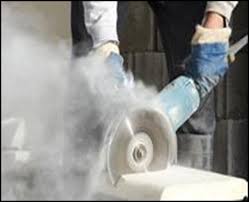
A Practical Manager’s Guide to Preventing Silicosis in the Engineered Stone Industry
This BOHS guidance has been developed as a practical management resource to help employers, supervisors and workers understand the risks associated with engineered stone and the measures required to control exposure to respirable crystalline silica (RCS).
Presented in a toolbox-talk format, the document explains why engineered stone has become a major occupational health concern and provides clear guidance on the controls needed to prevent silicosis, chronic obstructive pulmonary disease (COPD), lung cancer and other silica-related diseases.
The guidance was produced in response to increasing numbers of severe silicosis cases reported internationally and within Great Britain amongst workers involved in the manufacture, processing and installation of engineered stone worktops.
Topics covered include:
- What engineered stone is
- Sources of silica dust
- Health risks associated with exposure
- Employer responsibilities
- Worker responsibilities
- Exposure control measures
- LEV and water suppression
- Respiratory protective equipment (RPE)
- Health surveillance
- Occupational hygiene monitoring
This resource is particularly relevant to:
- Stone Fabricators
- Kitchen Worktop Manufacturers
- Installation Contractors
- Occupational Hygienists
- LEV Designers/Commissioners/Testers
- Site Supervisors
- Health & Safety Managers
- Duty Holders
Source Document
View the BOHS Toolbox here:
Source: British Occupational Hygiene Society (BOHS)
Document Type: Manager’s Toolkit / Toolbox Talk
Status: Current 2024
Last reviewed by LEVCentral: June 2026
LEVCentral Expert Commentary
Few occupational health topics have attracted as much international attention in recent years as engineered stone silicosis.
Historically, silicosis was often associated with mining, quarrying and heavy industry. However, a growing number of cases have been identified amongst workers involved in the manufacture and installation of engineered stone worktops. These cases have often affected relatively young workers, sometimes after only a few years of exposure.
Engineered stone products can contain extremely high levels of crystalline silica. When these materials are cut, ground, polished or drilled, respirable crystalline silica dust is released into the air. The resulting dust can penetrate deep into the lungs and cause irreversible disease.
One of the strengths of this BOHS resource is its simplicity.
Rather than focusing solely on legislation and technical detail, the guidance is designed to communicate the risk in a way that managers and workers can easily understand.
The document reinforces a critical message:
No respirable crystalline silica exposure means no silica-related disease.
This simple principle underpins all effective exposure-control strategies.
Key Learning Points
Engineered Stone Can Present Extremely High Silica Exposure Risks
Many engineered stone products contain significantly higher levels of crystalline silica than many traditional natural stone materials.
Silicosis Is Preventable But Incurable
Once silicosis develops there is no cure. Preventing exposure remains the most effective protection strategy.
Young Workers Are Being Affected
Recent cases have highlighted severe disease developing in workers much younger than traditionally associated with occupational lung disease.
Exposure Control Requires Multiple Measures
Effective control requires a combination of engineering controls, good working practices, occupational hygiene monitoring and health surveillance.
Managers Have a Critical Role
Managers and supervisors are often best placed to ensure that exposure controls remain in place and continue to function effectively.
Health Effects Highlighted in the Guidance
Silicosis
A progressive and irreversible scarring of the lungs caused by inhalation of respirable crystalline silica dust.
Chronic Obstructive Pulmonary Disease (COPD)
Long-term respiratory disease that can result from prolonged silica exposure.
Lung Cancer
Respirable crystalline silica is a recognised human carcinogen and prolonged exposure increases lung cancer risk.
Autoimmune Disease
The guidance highlights links between silica exposure and conditions such as rheumatoid arthritis and other autoimmune disorders.
Dermatitis
Skin problems may arise from dust exposure, wet-working practices and prolonged PPE use.
Control Measures Promoted by BOHS
Eliminate or Reduce Silica Content
Where possible, select materials with lower crystalline silica content.
Water Suppression
Use water-fed tools and wet processing methods to minimise dust generation.
Local Exhaust Ventilation (LEV)
LEV systems should be used where appropriate to capture airborne contaminants close to the source of generation.
Respiratory Protective Equipment
Suitable RPE should be provided and correctly managed where residual exposure risks remain.
Occupational Hygiene Monitoring
Air monitoring should be undertaken to confirm the effectiveness of exposure-control measures.
Health Surveillance
Health surveillance programmes can help identify early signs of silica-related disease before severe damage occurs.
Why This Resource Matters to LEV Professionals
Although aimed primarily at managers and supervisors, this guidance is highly relevant to LEV professionals.
The document reinforces many of the same principles contained within HSG258 and modern occupational hygiene practice:
- Control at source
- Exposure verification
- Effective engineering controls
- Performance monitoring
- Worker protection
For LEV designers and TExT engineers, the guidance provides a useful reminder that exposure control should ultimately be measured by its ability to prevent disease, not simply by compliance with airflow specifications.
Relationship to Other Engineered Stone Resources
This guidance complements:
- HSE Working Engineered Stone: Control Silica Risk
- HSG258 – Controlling Airborne Contaminants at Work
- EH40 Workplace Exposure Limits
- HSE Silica Essentials Guidance
- APPG Report on Silicosis
Together these resources provide a comprehensive framework for managing silica risks within the engineered stone industry.
Recommended Learning
- M200 Basic Principles of Occupational Hygiene
- M501 Measurement of Hazardous Substances
- P600 Methods for Testing Effectiveness of LEV
- P601 Thorough Examination and Testing of LEV Systems
- P602 LEV Design Principles
- P603 CoSHH PPE
- P604 Performance Evaluation and Management of LEV Systems
Thought Leadership
- The Emerging Engineered Stone Health Crisis
- Preventing Silicosis Through Engineering Controls
- Exposure Control Beyond Compliance
- Why Silica Remains a Global Occupational Health Challenge
LEVCentral Observation
This BOHS resource demonstrates the value of clear communication when managing occupational health risks.
Whilst many technical documents focus on regulations and control specifications, this guidance concentrates on helping managers and workers understand why exposure control matters.
The increasing number of engineered stone silicosis cases shows that even well-known hazards can re-emerge when exposure controls are neglected.
For LEV professionals, occupational hygienists and duty holders, the document reinforces a simple but powerful message:
Effective exposure control is ultimately about preventing disease, not simply achieving compliance.

